


RUBIES AND RUCKSACKS
AN ASIAN ODYSSEY
Mel Christie
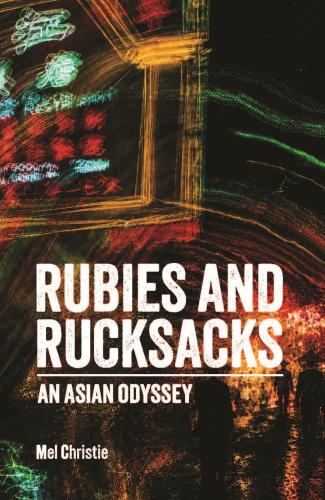
When Ren bought a one-way ticket to Bangkok, the plan was to spend a year in Southeast Asia in search of Life, Love, and Meaning. But with hustlers, mercenaries, and jailers along the way, the search took longer. And took him further.
For fans of THE WHITE LOTUS, this 270 page literary genre bending travel memoir set in the 80s and 90s is the gritty, budget version—think less Four Seasons, more Four Cockroaches in a Dorm.
Navigating locations with antics like Rick Steves in ON THE HIPPIE TRAIL, Ren’s stories will ratchet up the drama rather than remain wholly faithful to memory. And similar to Elizabeth Gilbert’s ambitions in EAT PRAY LOVE or Alex Garland’s THE BEACH his narrative celebrates our ever-youthful desire to travel whilst both avoiding the typical tourist sites and covering more countries in which to run aground.
“…a vivid, uninhibited collection of travel stories that captures the exhilaration, danger, absurdity, romance, and occasional loneliness of backpacking through Asia…”
– Leo Vidal Book Reviews, The Indie View
A Fistful of Dollars
All author profits go to charity (see the About page for details).
* The ebook is available for Kindle, Apple Books, Kobo, etc.
** If you are local to Washington DC, you can get a physical copy of my novel off the shelves of Politics and Prose at their Connecticut Ave branch or (pickup only) from Wonderland Books in Bethesda. Supporting local indie bookstores is important plus Politics and Prose will ship anywhere in North America.
And a Sprinkling of Rubies
In Burma, warriors believed that rubies would make them invincible, and according to folklore, they would implant them in their skin before battle. In China, these jewels, the colour of pigeon blood, also provided the owner with good fortune, success, and protection from evil.
Fancy a sprinkle? Here’s the quote of the day from a chapter in the book (along with a related photo):
Enam. Escape to Singapore

I had dozed off when the bus came to a stop at its bay. The passenger doors were already open, and I couldn’t see my day pack. But things don’t go missing, right?
Information on the Politics and Prose bookstore can be found here.